
H1N1 Cases Rise in Hyderabad, Doctors Urge Caution Amid Seasonal Surge
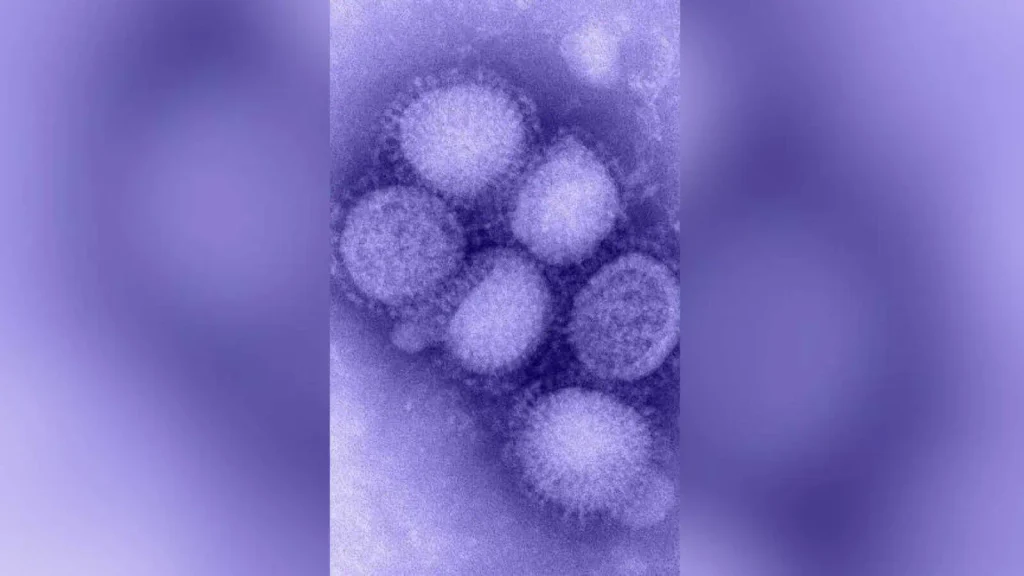
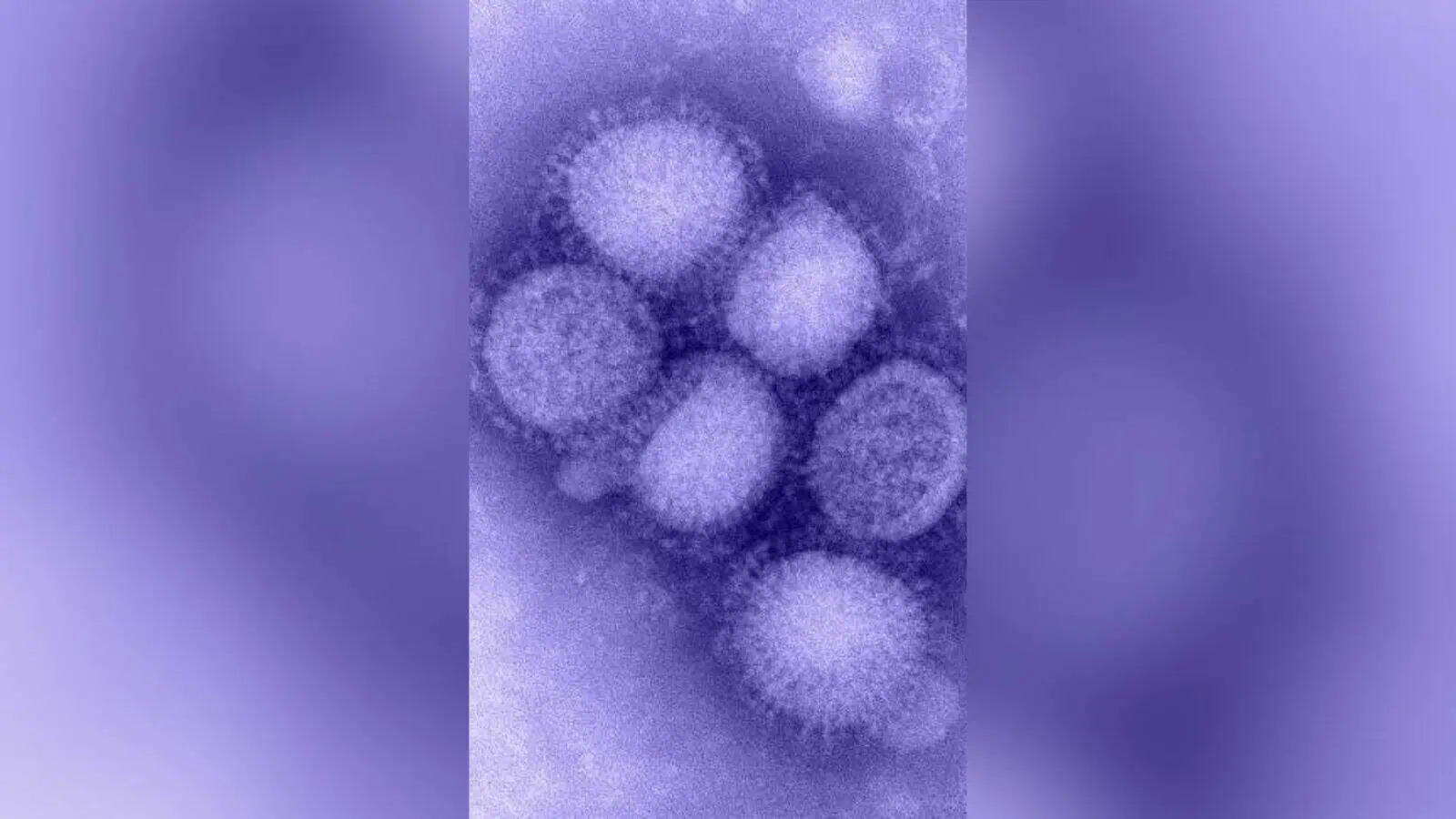
Doctors in Hyderabad have reported a noticeable increase in H1N1 influenza cases over recent weeks, urging residents to remain vigilant and seek timely medical care. Hospitals across the city are seeing a rise in patients presenting with high-grade fever, dry cough, sore throat, and body aches — symptoms commonly associated with the viral infection.
Health experts have particularly advised vulnerable groups, including children, the elderly, and individuals with underlying medical conditions, to take extra precautions. The H1N1 virus, also known as swine flu, is a type of influenza A virus that has been circulating as a seasonal strain since the 2009 pandemic.
Current case load and hospital reports
According to doctors at several private hospitals in Hyderabad, outpatient departments are recording a steady stream of fever cases, with a significant proportion testing positive for H1N1. Dr Mohammed Irfan, Associate Consultant Physician at Virinchi Hospital, told Siasat.com that three patients had been admitted to the inpatient unit after the virus was detected late.
“All three patients complained of high fever for five or more days, during which they were at home. However, there was no respite, and by the time they reported to the hospital, they had developed respiratory distress,” Dr Irfan said. Apart from those admitted, the hospital is seeing 5 to 8 outpatient cases per day related to H1N1.
Dr M Rajeev, Medical Director of RX Hospital in Hyderabad, confirmed similar trends. “There is an increase in H1N1 cases in the city. Our hospital is receiving five outpatient cases and one or two admissions per day,” he said.
Dr Khizer Hussain Junaidi, founder of Caspian Health Care, noted that the hospital’s outpatient department is seeing at least 70 patients daily, with fever cases accounting for the majority this season. “Several of these patients also have underlying comorbidities,” he added.
Who is most at risk
Doctors have identified people aged 55 to 60 years, particularly those with diabetes and other comorbidities, as more vulnerable to H1N1 infection. “People with diabetes and underlying health conditions are at a higher risk of contracting the virus,” Dr Irfan explained.
The World Health Organization (WHO) notes that most people infected with H1N1 recover without medical treatment within one to two weeks. However, complications can arise in high-risk groups, leading to severe illness or death in rare cases. During the 2009-10 pandemic, the virus was estimated to have caused about 284,000 deaths worldwide in its first year.
Datos clave
| Key Information | Details |
|---|---|
| Current daily outpatient cases at Virinchi Hospital | 5–8 cases |
| Current daily outpatient cases at RX Hospital | 5 cases plus 1–2 admissions |
| Current daily outpatient cases at Caspian Health Care | 70 patients (majority fever cases) |
| Vulnerable groups | Elderly (55+), children, diabetic patients, those with comorbidities |
Preventive measures and when to seek help
Health authorities and doctors recommend basic preventive steps to reduce the risk of infection. The WHO advises people who are ill to cover their mouth and nose with a tissue when coughing or sneezing, wash hands regularly, stay home when unwell, and maintain a distance of more than one metre from healthy individuals where possible.
Vulnerable individuals are advised to wear masks in crowded places and maintain hand hygiene. Doctors also stress the importance of seeking medical attention if symptoms such as shortness of breath, difficulty breathing, or persistent fever lasting more than three to five days occur. For young children, parents should watch for rapid or difficult breathing, persistent fever, or convulsions.
In most cases, adequate rest, plenty of fluids, and over-the-counter pain relievers are sufficient for recovery. However, early detection and treatment are crucial to prevent complications, especially in high-risk patients.
What this means for Hyderabad residents
The rise in H1N1 cases comes as Hyderabad experiences seasonal weather changes, which often contribute to a spike in viral infections. While the current numbers do not indicate an outbreak on the scale of the 2009 pandemic, the increase in hospital visits and admissions warrants attention.
Residents are encouraged to monitor their health closely and consult a doctor if symptoms persist or worsen. Those with pre-existing conditions should not delay seeking care, as early intervention can prevent severe outcomes.
Source: The Siasat Daily – Hyderabad – https://www.siasat.com/h1n1-cases-rise-in-hyderabad-doctors-urge-people-to-be-cautious-3538810/