
Understanding the Hyderabad Metro Rail Network
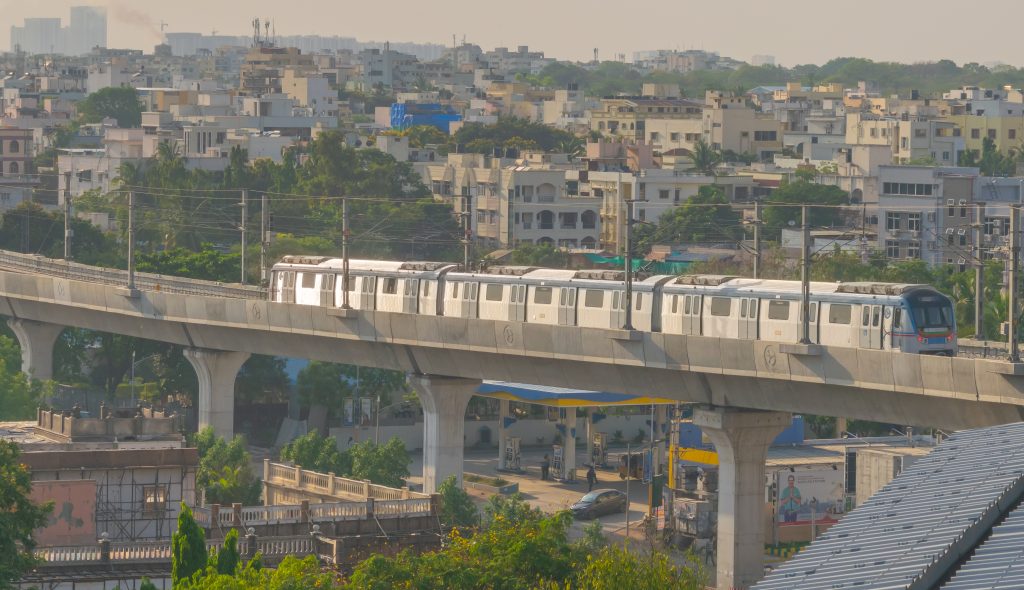
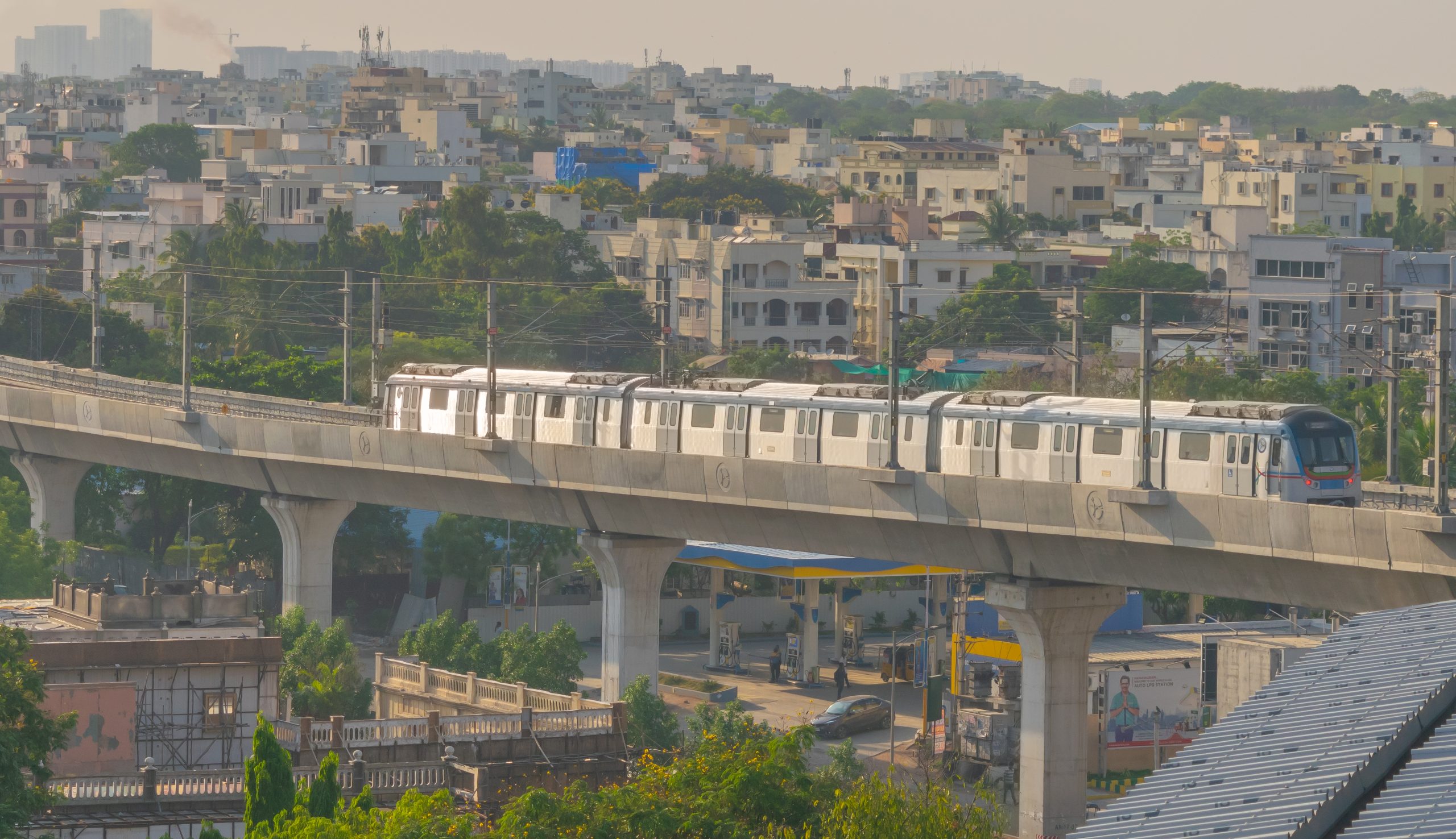
The Hyderabad Metro Rail (HMR) has significantly transformed urban transportation in the city, offering a fast, efficient, and eco-friendly mode of travel for thousands of commuters daily. Launched in 2017, the network has steadily expanded, connecting various crucial parts of Hyderabad. Understanding its structure, operational details, and key features can greatly benefit residents and visitors alike.
This guide delves into the specifics of the Hyderabad Metro Rail, providing insights into its lines, major stations, and the overall impact on the city's mobility. We will explore how this modern transit system contributes to the city's development and eases the daily commute for millions.
The Hyderabad Metro Rail (HMR) Network Overview
The Hyderabad Metro Rail project is a public-private partnership (PPP) endeavor, making it one of the largest such projects in the world in the metro sector. It aims to provide seamless connectivity across the twin cities of Hyderabad and Secunderabad, reducing traffic congestion and travel time. The network is designed to integrate with other modes of public transport, enhancing the overall commuting experience. The vision behind the HMR was to create a sustainable and future-ready transportation backbone for one of India's fastest-growing metropolitan areas.
Key Features of HMR:
* Modern Infrastructure: State-of-the-art coaches, elevated viaducts, and contemporary station designs, ensuring a comfortable and safe journey.
* Automated Ticketing: Smart cards and QR code-based ticketing for convenience, reducing queues and speeding up entry/exit.
* Safety and Security: Comprehensive surveillance systems, dedicated security personnel, and well-lit stations ensure passenger safety round the clock.
* Accessibility: Facilities for differently-abled passengers, including ramps, lifts, and tactile paths, making the system inclusive.
* Eco-Friendly Operations: The use of electric power significantly reduces carbon emissions compared to road transport, contributing to a greener Hyderabad.
Hyderabad Metro Rail Lines and Their Significance
The Hyderabad Metro Rail system currently operates on three main corridors, each identified by a distinct color. These lines connect major residential areas, commercial hubs, and transport terminals, forming the backbone of the city's public transit.
Line Name|Color|Route|Key Stations
—|—|—|—
Corridor I|Red Line|Miyapur to L.B. Nagar|Miyapur, JNTU College, Ameerpet, L.B. Nagar
Corridor II|Green Line|JBS Parade Ground to MGBS|JBS Parade Ground, Secunderabad East, MGBS
Corridor III|Blue Line|Nagole to Raidurg|Nagole, Uppal, Secunderabad West, Raidurg
The Red Line (Corridor I) stretches across the city from west to south, connecting key areas like Miyapur, Kukatpally, Ameerpet, and L.B. Nagar. It serves as a major artery for daily commuters traveling between these dense localities, providing access to educational institutions, business parks, and residential zones.
The Green Line (Corridor II) provides connectivity between JBS Parade Ground and Mahatma Gandhi Bus Station (MGBS), passing through important areas like Secunderabad and Nampally. This line is particularly useful for those interchanging between metro and bus services, linking major transport hubs.
The Blue Line (Corridor III) runs from east to west, linking Nagole to Raidurg. This corridor is crucial for connecting the IT corridor and financial district in the western part of the city (Hitec City, Raidurg) with the eastern suburbs, facilitating the commute for thousands of IT professionals.
Strategic Interchange Stations
Interchange stations are pivotal to the efficiency of any metro network, allowing passengers to switch between different lines to reach their destination seamlessly. Hyderabad Metro Rail has strategically placed interchange stations to facilitate smooth transfers and maximize network utility.
Ameerpet: This is the most prominent interchange station, connecting the Red Line (Corridor I) and the Blue Line (Corridor III). Its central location and connectivity to major commercial areas make it one of the busiest stations on the network.
JBS Parade Ground: An interchange point for the Green Line (Corridor II) and the Blue Line (Corridor III), connecting passengers from Secunderabad and surrounding areas to the eastern and western parts of the city. This station is vital for regional connectivity.
MGBS (Mahatma Gandhi Bus Station): A significant interchange for the Red Line (Corridor I) and the Green Line (Corridor II), making it a central hub for those using both metro and inter-city bus services. It serves as a gateway for travelers entering or leaving Hyderabad.
Operational Information and Passenger Experience
The Hyderabad Metro Rail operates from early morning (around 5:30 AM) until late at night (around 11:30 PM), providing extensive coverage throughout the day. Frequency of trains varies based on peak and off-peak hours, with higher frequency (every 3-5 minutes) during rush times to manage passenger load efficiently.
Fares are calculated based on the distance traveled, with options for single journey tokens, smart cards, and group tickets. Smart cards offer a convenient and often more economical way to travel, allowing for quick tap-in and tap-out at entry and exit gates. These cards can be recharged online or at station counters, adding to commuter convenience.
The Hyderabad Metro Rail has not only eased commute times but also contributed to reducing carbon emissions and promoting sustainable urban development. Its continuous expansion plans aim to further enhance connectivity and reach more areas within the Hyderabad Metropolitan Region, including proposed extensions to new residential and commercial zones.
Impact on Urban Mobility and Future Prospects
The introduction of the Hyderabad Metro Rail has had a profound impact on the city's urban mobility. It has significantly reduced traffic congestion on major roads, decreased travel times, and provided a reliable alternative to private vehicles. This shift towards public transport has also led to a reduction in air pollution, contributing to a healthier environment for Hyderabad's residents.
Looking ahead, the Hyderabad Metro Rail is poised for further expansion. Future phases plan to extend existing lines and introduce new corridors, further integrating the metro with other modes of transport and reaching more peripheral areas of the city. These developments are expected to enhance connectivity, support economic growth, and continue to improve the quality of life for millions in Hyderabad. The long-term vision is to establish a comprehensive, integrated public transport network that caters to the growing demands of this dynamic metropolitan area.