
Telangana Today money explainer offers cautious reading for Hyderabad savers
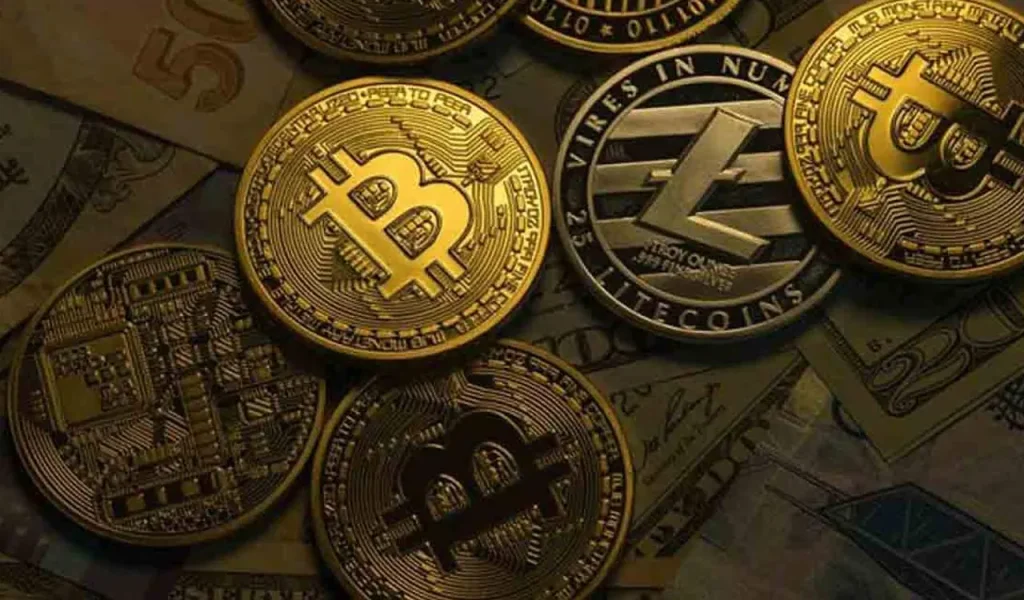
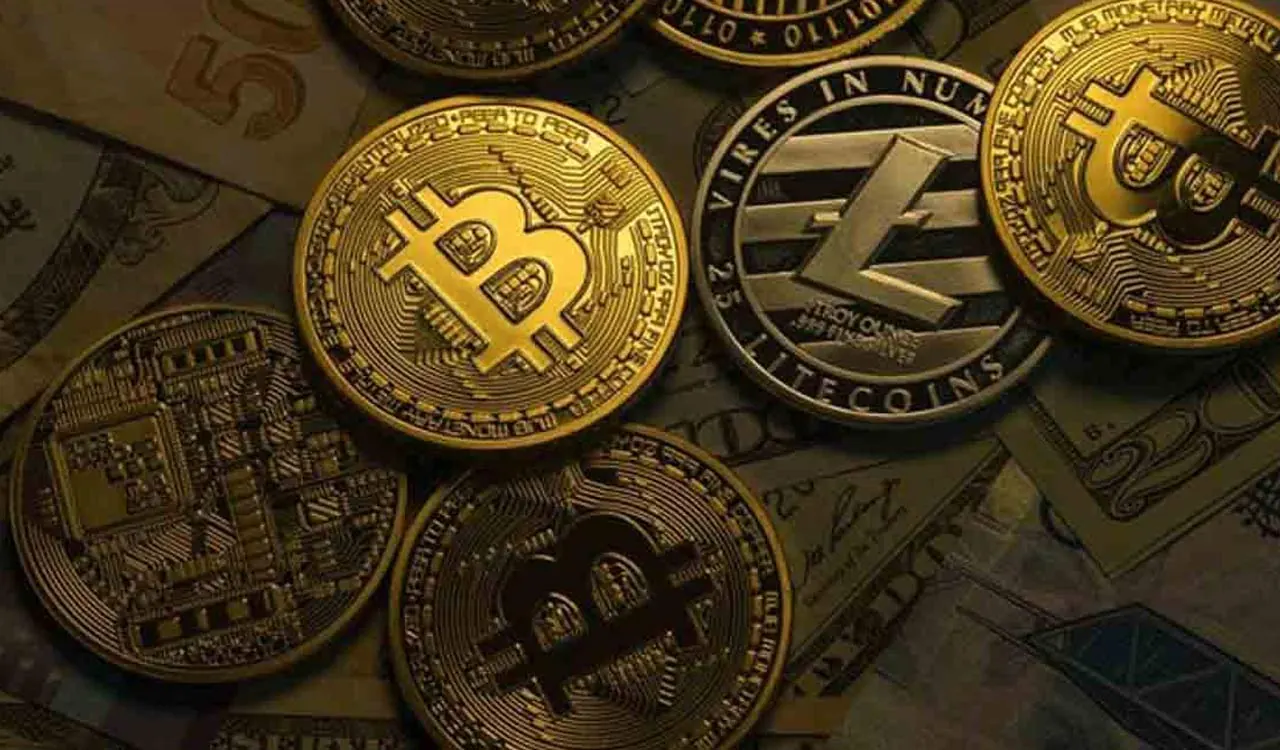
Telangana Today has published a long-form analysis piece arguing that monetary systems across history have repeatedly lost public trust when authorities or issuers expanded supply or reduced backing. The article, titled “From Cowrie to Crypto: 5,000 years of money—one trick that destroyed every system”, is written by Chandu Kumar Potti and was published on 19 July 2026.
For Hyderabad readers, the item is best read as a commentary on money, inflation, gold and crypto narratives rather than as a new policy development. The source material does not report any new Reserve Bank of India notification, Telangana Government order, local banking change, or Hyderabad-specific advisory.
Datos clave
| Point | Detail |
|---|---|
| Source type | Analysis/explainer published by Telangana Today |
| Published | 19 July 2026 |
| Local policy change reported | None stated in the source material |
| Reader relevance | Context for inflation, savings, gold and crypto claims circulating among consumers |
What the article says
The Telangana Today piece uses historical examples to make a broad argument about money and trust. It refers to cowrie shells used in parts of India, the debasement of Roman silver coins, early paper currency in China, the flow of silver into Europe after Spanish expansion in the Americas, and India’s older hundi system.
Its central argument is that monetary systems weaken when people believe the unit they hold no longer represents reliable value. The article presents this as a repeated pattern across different eras and materials: shells, coins, paper notes and modern forms of money.
The piece also moves towards present-day debates around gold, central banks and crypto. However, because the available source context is an opinion-style analysis and not an official advisory, readers should separate the historical framing from any practical financial decision.
Why Hyderabad readers may notice it
Hyderabad residents are frequent users of digital payments, bank accounts, chit funds, gold purchases, small business credit, remittances and online investment platforms. Articles connecting inflation, crypto, gold and the value of money can travel quickly through WhatsApp groups, trading communities and social media.
That makes the topic locally relevant even when the article itself is not about a Hyderabad event. A reader may come away with questions such as whether to hold more gold, avoid currency, buy crypto, or distrust digital money. Those are financial decisions, not merely historical opinions.
The source material does not provide a Hyderabad-specific consumer advisory, nor does it state that any local institution has changed rules for savings, deposits, gold, UPI, or crypto. Any such claim should be checked separately through official channels before action is taken.
What remains unverified
The article makes wide historical and economic claims across several centuries. Some examples, such as coin debasement, paper money experiments and inflation after large silver inflows, are commonly discussed in economic history, but the fetched source context does not include citations, official datasets or links to primary documents for every figure.
It also uses strong interpretive language about monetary systems being “destroyed” by a recurring “trick”. That is a viewpoint, not a regulatory finding. Readers should understand it as the author’s framing of monetary history rather than a confirmed statement from a central bank or government agency.
The source context also does not establish that central banks are “publicly calling” gold irrelevant while accumulating it, beyond the article’s assertion. Readers looking for current data should refer to official central bank publications and credible financial disclosures rather than relying on a single commentary piece.
Crypto and online safety angle
For Hyderabad users, the most practical caution is around crypto and online investment claims. Historical arguments about money are often used in promotional pitches for tokens, trading schemes, high-return groups or unregulated investment products.
The source article itself is not presented as a local scam alert. Still, readers should avoid treating any article about currency history as proof that a specific crypto asset, gold scheme, trading app or private investment plan is safe. If someone is pressured to transfer money quickly, join a private trading group, share OTPs, or move funds to an unknown wallet, that is a separate safety concern.
For cyber fraud complaints, Indian residents can use the National Cyber Crime Portal or the 1930 helpline. For regulated banking and payment questions, readers should check official RBI and NPCI information rather than forwards or influencer posts.
No new local banking rule reported
Nothing in the available source material indicates a change in Hyderabad bank operations, UPI rules, ATM access, Telangana welfare payments, gold purchase rules, or local tax enforcement. Businesses, students, salaried workers and families should therefore avoid reading the piece as a notice that immediate action is required.
The safer reading is that Telangana Today has carried a broad monetary-history essay with a strong point of view. It may be useful as a discussion starter, but it should not replace verified financial advice, official circulars, or professional consultation for investment and savings decisions.
Readers should also be careful with screenshots or shortened versions of the article. If a claim is being circulated without the full context, check the original article and then verify any practical instruction through official sources.
Source: Telangana Today – Hyderabad, https://telanganatoday.com/from-cowrie-to-crypto-5000-years-of-money-one-trick-that-destroyed-every-system